Chapter 7 Bankruptcy Law vs. Chapter 13 in Wisconsin: Which Option Fits Your Situation in 2026?
August 4, 2026
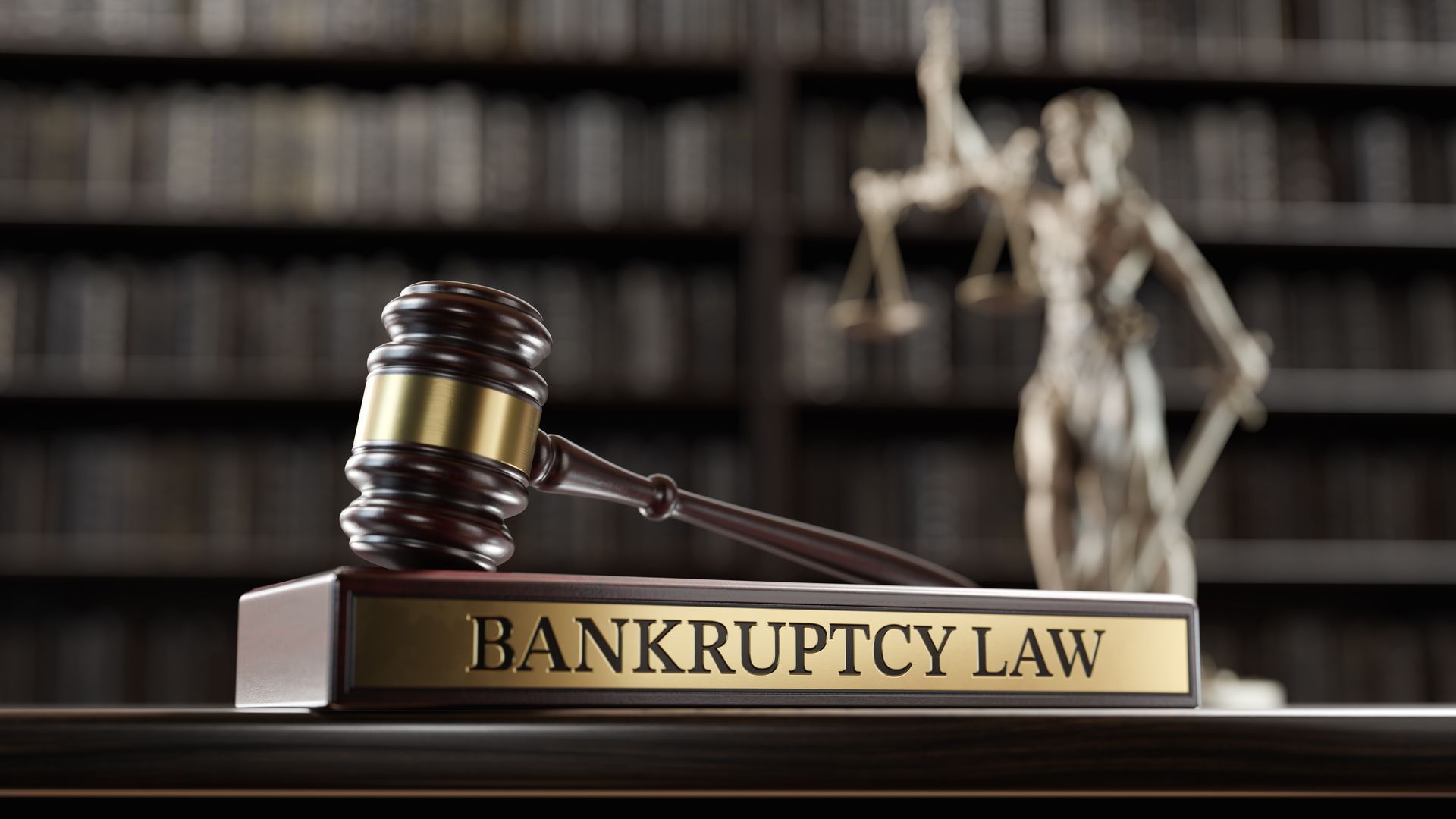
Judge's gavel on a nameplate reading Bankruptcy Law with a Lady Justice statue behind

Choosing between Chapter 7 and Chapter 13 bankruptcy in Wisconsin affects how much debt you eliminate, what property you keep, and how quickly you rebuild. Understanding Chapter 7 bankruptcy law and how it compares to Chapter 13 is the first step toward a smarter outcome for Waukesha, WI, residents.

Key Differences: Debt Discharge vs. Repayment

Chapter 7 discharges most unsecured debts quickly, wiping them out entirely and stopping creditor calls, wage garnishments, and lawsuits. The process typically takes about three months from filing to discharge.


Chapter 13 suits people with steady income who want to repay debts over time. Debtors work with a court-appointed trustee on a three-to-five-year repayment plan; remaining dischargeable balances may be released after completion.

  • Goal: Chapter 7 aims for debt discharge, while Chapter 13 sets up a debt repayment plan.
  • Timeline: Chapter 7 takes about three months; Chapter 13 spans three to five years.
  • Asset risk: Under Chapter 7, non-exempt assets may be liquidated; under Chapter 13, most assets are retained.
  • Income test: Chapter 7 requires a means test; Chapter 13 has no means test.
  • Best for: Chapter 7 suits lower-income filers with unsecured debt; Chapter 13 suits homeowners with steady income.

Does Your Income Qualify for Chapter 7 in Wisconsin?

Eligibility depends on the means test. Wisconsin median income limits range from about $69,343 for a single-person household to over $151,000 for larger families. Falling below the median for your household size may qualify you automatically.


If your income exceeds the median, a second stage subtracts allowable expenses to calculate disposable income, and many above-median filers still pass. Chapter 13 has no means test, so it remains available to those who earn too much for Chapter 7.

Wisconsin Exemptions: What Can You Keep?

Wisconsin filers may choose between state and federal exemption systems. State exemptions include a homestead exemption protecting up to $75,000 in home equity for single filers (up to $150,000 for joint filers), plus $4,000 in vehicle equity and $12,000 in household goods per debtor.


Under Chapter 7 bankruptcy law, a trustee may liquidate property not exempted. Under Chapter 13, you keep all property but pay creditors the value of any non-exempt assets through your plan. Reviewing exemptions before filing can protect your most important assets.

Homeowners vs. Renters: Which Chapter Fits?

Chapter 13 is often the better fit for homeowners. It lets you catch up on missed mortgage payments, stop foreclosure, and potentially lower a car loan interest rate through the repayment plan.


For renters or people without significant assets, Chapter 7 bankruptcy law serving Waukesha, WI, may offer faster relief. With few non-exempt assets at risk, renters can often discharge credit card debt, medical bills, and personal loans without a multi-year commitment.

What Debts Cannot Be Discharged?

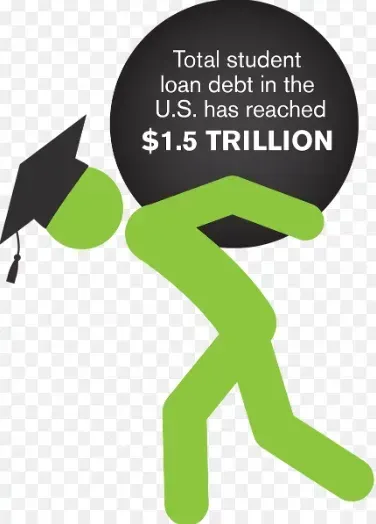
Some debts survive both chapters, typically most student loans, recent income taxes, child support, and alimony. An attorney can identify which of your debts qualify before you file.

Can Wisconsin Residents File Chapter 128 Instead?

Wisconsin residents may have access to Chapter 128, a state-specific non-bankruptcy alternative. It requires no means test, tax filings, or submission of personal finances, and leaves no formal bankruptcy record. Learn more on the Chapter 128 bankruptcy page.

Take the Next Step With Credit Solutions, SC

Credit Solutions, SC serves Waukesha, WI, and offers free consultations to help you evaluate Chapter 7 bankruptcy law, Chapter 13, and Wisconsin alternatives. Call (414) 272-0077 to speak with an attorney, or request a free consultation online or visit Credit Solutions, SC to read reviews.
Chapter 7 Bankruptcy Attorney reviewing client financial documents.
June 4, 2026
Find out if you qualify for Chapter 7 bankruptcy in Waukesha, WI. Credit Solutions, S.C. offers free consultations. Call today.
Bankruptcy lawyer reviewing documents and calculating case details.
April 3, 2026
Learn how a bankruptcy lawyer in West Allis, WI, can help you regain financial control. Click here for a consultation today with Credit Solutions, S.C.!
A gavel with a model house next to it on a table.
December 18, 2025
Discover unbiased guidance from Credit Solutions. Call today at (414) 272-0077 for a trusted Chapter 13 bankruptcy lawyer for Waukesha, WI.
Bankruptcy documents with a wooden gavel, symbolizing legal and business concepts.
November 5, 2025
Learn about Chapter 7 bankruptcy law in Waukesha, WI, and rebuild your future. Call Credit Solutions at 1-414-272-0077 today for guidance and support.
A lawyer is explaining the contract to a client.
August 29, 2025
Wondering if you need a bankruptcy lawyer in West Allis, WI? Credit Solutions S.C. breaks down 5 signs; click to read the full blog now for expert insight.
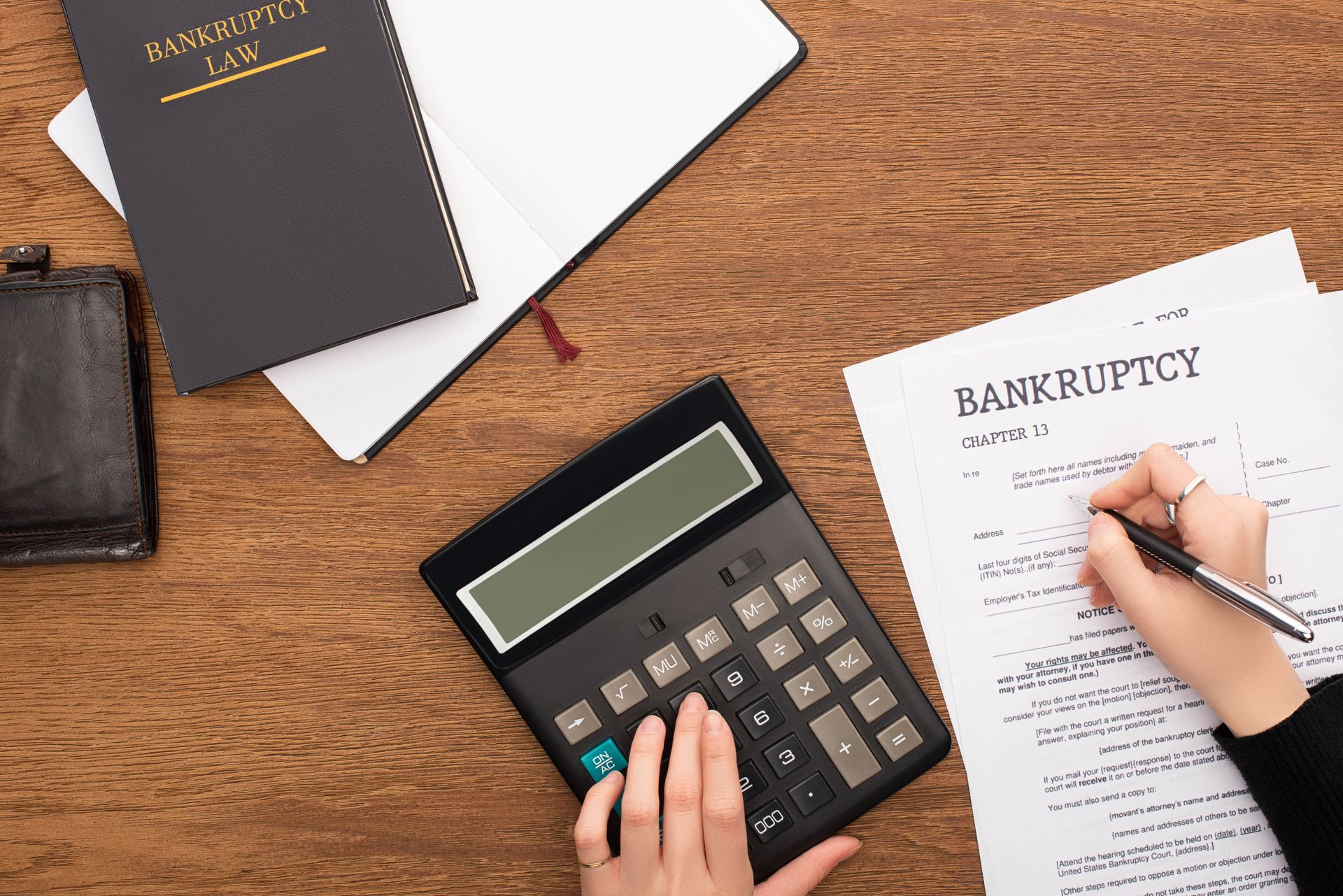
Chapter 7 bankruptcy law document on clipboard with gavel and calculator on wooden desk.
August 29, 2025
Learn how Chapter 7 bankruptcy law in Waukesha, WI affects your financial future. Call Credit Solutions today at 414-272-0077 for a free consultation.
Gavel on legal papers | Chapter 13 bankruptcy help in Waukesha, WI | Credit Solutions
August 27, 2025
Discover the benefits of Chapter 13 bankruptcy in Waukesha, WI, with Credit Solutions. Avoid foreclosure. Call now: 1-414-272-0077
By Brett Pfeifer February 6, 2023
This is a subtitle for your new post
By Credit Solutions August 2, 2018
The Bankruptcy Means Test has been used for 10+ years now, but it can still be a source of confusion. Learning what the practical application of this test is, and how it applies to your case is the first step.
By Credit Solutions December 22, 2016
How can Chapter 7 and Chapter 13 bankruptcy help in stopping a shut off? Bankruptcy can offer immediate relief if you're facing a utilities shut off, whether it's during winter or any other time of the year. In order to prevent a shut off and file for bankruptcy, you may need to file an emergency petition, which allows you to start the process and halt the utility shut off proceedings. However, it is crucial to complete the remaining forms within 14 days to ensure the viability of your bankruptcy case. Failure to do so could result in the dismissal of your case by the bankruptcy court. Moreover, filing for Chapter 13 bankruptcy can also be instrumental in stopping a shut off. Once you have filed for bankruptcy, utility companies are legally prohibited from attempting to collect any outstanding bills, be it through mailed statements, phone calls, or even lawsuits. It is important to note, though, that filing for bankruptcy only protects you from previous debts, and you are still responsible for paying new utility bills after the bankruptcy filing. Contrary to bankruptcy, a Chapter 128 non-bankruptcy does not provide the same relief in preventing a shut off. Chapter 7 bankruptcy offers immediate relief for individuals facing a utility shut off, whether it's during the winter or any other time of the year. In such cases, filing an emergency petition can help prevent the utility shut off process. This petition allows you to initiate the bankruptcy process and halt the utility shut off, with the option to complete the remaining forms within 14 days. However, it's crucial to file the remaining forms within this timeframe to avoid the risk of the bankruptcy court dismissing your case. Once you have successfully filed for bankruptcy, the utility companies are prohibited from attempting to collect any past due bills through mailed statements, phone calls, or lawsuits. This protection provides individuals with a much-needed respite from the burden of overdue utility bills. It's important to note that filing for bankruptcy only shields you from previous debts, and you will still be responsible for paying new utility bills that arise after the filing. Alternatively, a Chapter 13 bankruptcy presents a broader range of benefits for the right situation in addition to stopping utility shut-offs. It allows individuals to catch up on missed mortgage or car payments through a repayment plan, effectively preventing foreclosure or repossession. This chapter also provides the opportunity to safeguard valuable assets that may be at risk in a Chapter 7 bankruptcy. Moreover, the structured nature of the Chapter 13 repayment plan instills financial discipline by requiring regular monthly payments over an extended period. This promotes responsible financial management and cultivates good financial habits for future stability. What are the requirements for utilities during the winter heating moratorium? In Wisconsin, a winter utility shut off is banned between November 1st and March 31st. Utilities banned from disconnection include water, electricity, sewer, gas, and phone. Electricity and natural gas, in particular, cannot be turned off between November 1st and April 15th. This means that customers who are behind on their bills during this moratorium period are protected from having their heat-providing service disconnected. However, it is important to note that while utilities are prohibited from disconnecting customers during the winter heating moratorium, consumers who have already been disconnected must still make arrangements to pay their outstanding bills in order to have their service restored. Wisconsin law requires utilities to make an effort to contact these disconnected consumers and attempt to get them reconnected. However, it is essential to understand that utilities are not obligated to reconnect service until payment arrangements have been made. Outside of the designated winter months span, utility shut-offs can still be prevented if the temperature falls below 32 degrees Fahrenheit or is predicted to do so. In such cases, utility companies are not allowed to disconnect your service for 24 hours or until the temperature rises above 32 degrees Fahrenheit. To summarize, during the winter heating moratorium period, utilities in Wisconsin are prohibited from disconnecting customers who are behind on their bills, specifically including electricity and natural gas. However, customers who have already been disconnected must make payment arrangements to restore their service. Furthermore, outside of the moratorium period, utility shut-offs can be prevented if the temperature falls below 32 degrees Fahrenheit. However, if you have significant debt (such as medical bills or credit card bills ), as well as overdue utility bills you may want to consider filing for Chapter 7 bankruptcy. When does the moratorium for disconnecting customers begin and end? In Wisconsin, a winter utility shut off is banned between November 1st and March 31st. This means that customers who are behind on their bills during this period cannot be disconnected by the utilities. It is important for consumers who have been disconnected to contact their local utility before the start of the winter heating moratorium, which begins on November 1st and ends on April 15th. By doing so, they can make necessary arrangements to have their service reconnected. During this moratorium, customers can have peace of mind knowing that they will not face disconnection even if they are behind on their bills. It is crucial for consumers to take advantage of this protection and communicate with their utility to ensure uninterrupted service during the winter months.