A Homeowner's Guide From a Chapter 13 Bankruptcy Lawyer
December 18, 2025
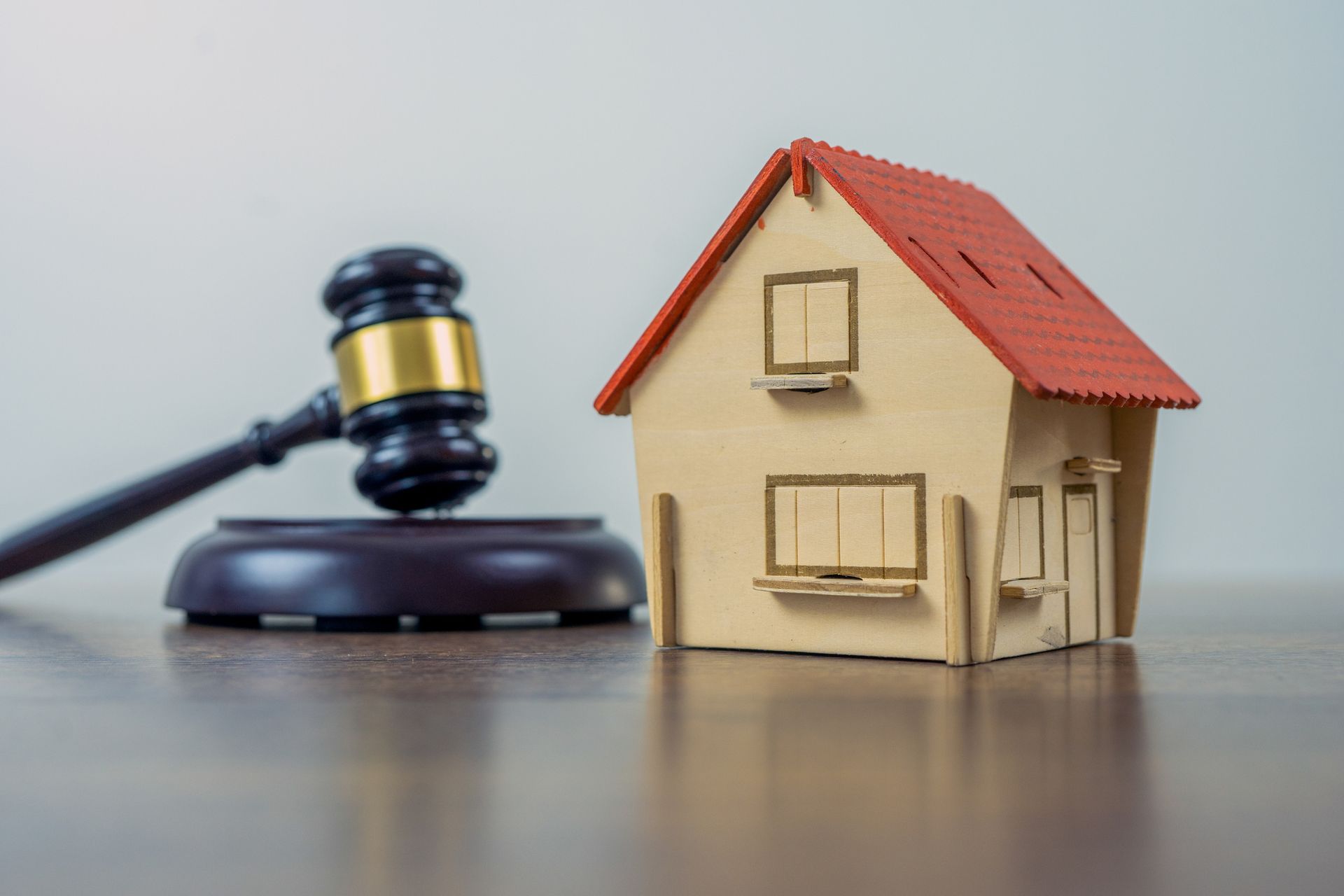
A gavel with a model house next to it on a table.

If you're a homeowner facing serious financial challenges, understanding your options is essential. Credit Solutions, a chapter 13 bankruptcy lawyer serving Waukesha, WI, is ready to guide you through the complexities of reorganization and help you make an informed, confident decision about your financial future. This comprehensive guide covers everything you need to know about Chapter 13 bankruptcy, specifically tailored for homeowners like you, and explains how working alongside an experienced firm can make all the difference.


Understanding Chapter 13 Bankruptcy and Why It Matters to Homeowners


Choosing to file for bankruptcy can be overwhelming, especially when your home is at stake. Chapter 13 bankruptcy is often called a "wage earner's plan" because it enables individuals with regular income to develop a plan to repay all or part of their debts over time. Unlike Chapter 7, which may involve liquidating assets, Chapter 13 allows you to keep your property, including your home, if you stick to a court-approved repayment schedule.


For homeowners in Waukesha, WI, Chapter 13 can serve as a lifeline—offering the possibility of catching up on missed mortgage payments, stopping foreclosure proceedings, and avoiding the stress of losing cherished property. A chapter 13 bankruptcy lawyer is not just a legal ally but a guide with a nuanced understanding of both bankruptcy and mortgage law. Navigating this process is critical, and Credit Solutions offers unbiased advice to help you evaluate whether bankruptcy or another debt solution is best for your unique situation.


The Chapter 13 Bankruptcy Process: Steps and Expectations


Embarking on the Chapter 13 journey begins with understanding the process. Homeowners often have unique concerns, such as protecting their house, negotiating with creditors, and ensuring a manageable repayment plan.


A chapter 13 bankruptcy lawyer serving Waukesha, WI, like those at Credit Solutions, can help with essential steps including:


1. Assessing Eligibility 

Chapter 13 is available to individuals (and couples) with consistent income and unsecured debts below a certain threshold. Your attorney evaluates your finances and confirms if this path is possible.


2. Filing the Petition 

This includes submitting detailed paperwork about income, assets, debts, and expenditures. Full transparency is crucial to build a realistic repayment schedule.


3. Automatic Stay Protection 

Once filed, an "automatic stay" halts creditor actions such as foreclosure, giving residents breathing room to reorganize debt. Homeowners often find this immediate relief invaluable.


4. Creating a Repayment Plan 

The heart of Chapter 13 lies in the development of a plan that lasts three to five years. The plan allocates payments toward secured debts (like mortgages) and unsecured debts (credit cards, medical bills).


5. Court Approval and Plan Execution 

After review, the bankruptcy court must approve your plan. Following approval, you make monthly payments under court supervision.


Throughout each step, having unbiased advice from your Chapter 13 bankruptcy lawyer—whether bankruptcy or mortgage modification is appropriate—ensures homeowners make the best possible decisions for themselves and their families.


Saving Your Home: Chapter 13 Benefits for Homeowners


One of the most important benefits of Chapter 13 bankruptcy is the ability to halt foreclosure and save your home. For many, this is the driving force behind pursuing reorganization.


Even if foreclosure proceedings have already begun, filing for Chapter 13 creates a legal shield that stops further action and allows you to address overdue payments across the next several years. This relief provides homeowners with stability and the time necessary to regain their footing.


A Chapter 13 bankruptcy lawyer appeals to those who wish to stay in their homes, create realistic repayment schedules, and avoid more drastic alternatives such as Chapter 7 liquidation. The advantage of working with Credit Solutions is clear: advice isn’t limited just to bankruptcy solutions. Their dual services, encompassing both bankruptcy and debt negotiation, mean you receive tailored advice, not just a one-size-fits-all recommendation.


Alternatives to Chapter 13: Full Financial Solutions


Chapter 13 is often the right move for homeowners wishing to protect their property, but for some, alternatives might provide a better outcome. Knowing your options helps ensure your solution truly matches your needs.


Mortgage Modification or Forbearance: Lenders may be willing to adjust the terms of your loan, lowering monthly payments or allowing for missed payments to be tacked onto the end of the loan term.


Debt Negotiation: Settling with creditors outside bankruptcy can be faster and less public, sometimes resulting in reduced balances or better terms.


Chapter 7 Bankruptcy: For homeowners without significant equity or those comfortable walking away from property, this liquidation bankruptcy may help resolve unsecured debts but doesn’t offer home protection like Chapter 13.


Credit Solutions provides unbiased recommendations—never pushing bankruptcy as a sole solution. By evaluating all options, you receive clear guidance tailored to your personal, financial, and property priorities.


The Importance of Unbiased Legal Guidance in Waukesha, WI


Facing debt and the threat of losing your home is emotional and complicated. Seeking support from a chapter 13 bankruptcy lawyer means relying on a professional who can explain legal procedures, possible outcomes, and alternative solutions.


Credit Solutions stands out by offering both bankruptcy and debt negotiation support. This range allows you to make informed choices without pressure. Homeowners can trust that the advice they receive reflects what is best for their circumstances—not just what is possible under bankruptcy law.


Rather than pushing clients towards one fix, Credit Solutions guides you towards sustainable outcomes, respecting your goals and situation. This approach places you, the homeowner, at the center—ensuring all paths are considered.


What to Expect During Your Chapter 13 Payment Plan


The repayment plan is the core of Chapter 13 bankruptcy. You can expect the following:


Structured Monthly Payments: Payments are based on income and expenses, often lower than original creditor demands. Essential living costs are accounted for before calculating payments to creditors.


Protection From Creditors: Creditors cannot demand additional payment or pursue foreclosure after the plan is filed.


Periodic Reports and Review: The court and trustee will monitor your progress. You may need to submit updated financial information periodically.


Discharge of Remaining Unsecured Debt: Once the plan is completed, remaining unsecured debts may be discharged, giving you a clean slate.


Working with a chapter 13 bankruptcy lawyer ensures the plan is realistic and affordable, protecting your interests and helping you stay on track.

A lawyer is shaking hands with a client over his office desk.

Life After Chapter 13 Bankruptcy: Rebuilding Hope and Stability


Completing Chapter 13 bankruptcy offers homeowners the possibility of stability, preserved property, and a refreshed financial start. Waukesha, WI, homeowners who successfully finish their plan often find themselves in a stronger position to manage expenses, save for future goals, and repair credit over time.


A collaborative approach between you and your Chapter 13 bankruptcy lawyer lays important groundwork for the next chapter of your life. With debt under control and property intact, you’ll have more room to focus on building a bright future for yourself and your family.


Take the Step Toward Financial Renewal Today


Facing debt as a homeowner is tough, but you don’t have to do it alone. Credit Solutions, a chapter 13 bankruptcy lawyer serving Waukesha, WI, can help you understand your options, protect what matters most, and guide you toward lasting financial wellness. Their unbiased advice ensures your choices are truly focused on your needs, not just a single solution. Ready to start your journey to stability and peace? Call Credit Solutions today at (414) 272-0077 and take the first confident step toward financial renewal.
Bankruptcy documents with a wooden gavel, symbolizing legal and business concepts.
November 5, 2025
Learn about Chapter 7 bankruptcy law in Waukesha, WI, and rebuild your future. Call Credit Solutions at 1-414-272-0077 today for guidance and support.
A lawyer is explaining the contract to a client.
August 29, 2025
Wondering if you need a bankruptcy lawyer in West Allis, WI? Credit Solutions S.C. breaks down 5 signs; click to read the full blog now for expert insight.
Chapter 7 bankruptcy law document on clipboard with gavel and calculator on wooden desk.
August 29, 2025
Learn how Chapter 7 bankruptcy law in Waukesha, WI affects your financial future. Call Credit Solutions today at 414-272-0077 for a free consultation.
Gavel on legal papers | Chapter 13 bankruptcy help in Waukesha, WI | Credit Solutions
August 27, 2025
Discover the benefits of Chapter 13 bankruptcy in Waukesha, WI, with Credit Solutions. Avoid foreclosure. Call now: 1-414-272-0077
By Brett Pfeifer February 6, 2023
This is a subtitle for your new post
By Credit Solutions August 2, 2018
The Bankruptcy Means Test has been used for 10+ years now, but it can still be a source of confusion. Learning what the practical application of this test is, and how it applies to your case is the first step.
By Credit Solutions December 22, 2016
How can Chapter 7 and Chapter 13 bankruptcy help in stopping a shut off? Bankruptcy can offer immediate relief if you're facing a utilities shut off, whether it's during winter or any other time of the year. In order to prevent a shut off and file for bankruptcy, you may need to file an emergency petition, which allows you to start the process and halt the utility shut off proceedings. However, it is crucial to complete the remaining forms within 14 days to ensure the viability of your bankruptcy case. Failure to do so could result in the dismissal of your case by the bankruptcy court. Moreover, filing for Chapter 13 bankruptcy can also be instrumental in stopping a shut off. Once you have filed for bankruptcy, utility companies are legally prohibited from attempting to collect any outstanding bills, be it through mailed statements, phone calls, or even lawsuits. It is important to note, though, that filing for bankruptcy only protects you from previous debts, and you are still responsible for paying new utility bills after the bankruptcy filing. Contrary to bankruptcy, a Chapter 128 non-bankruptcy does not provide the same relief in preventing a shut off. Chapter 7 bankruptcy offers immediate relief for individuals facing a utility shut off, whether it's during the winter or any other time of the year. In such cases, filing an emergency petition can help prevent the utility shut off process. This petition allows you to initiate the bankruptcy process and halt the utility shut off, with the option to complete the remaining forms within 14 days. However, it's crucial to file the remaining forms within this timeframe to avoid the risk of the bankruptcy court dismissing your case. Once you have successfully filed for bankruptcy, the utility companies are prohibited from attempting to collect any past due bills through mailed statements, phone calls, or lawsuits. This protection provides individuals with a much-needed respite from the burden of overdue utility bills. It's important to note that filing for bankruptcy only shields you from previous debts, and you will still be responsible for paying new utility bills that arise after the filing. Alternatively, a Chapter 13 bankruptcy presents a broader range of benefits for the right situation in addition to stopping utility shut-offs. It allows individuals to catch up on missed mortgage or car payments through a repayment plan, effectively preventing foreclosure or repossession. This chapter also provides the opportunity to safeguard valuable assets that may be at risk in a Chapter 7 bankruptcy. Moreover, the structured nature of the Chapter 13 repayment plan instills financial discipline by requiring regular monthly payments over an extended period. This promotes responsible financial management and cultivates good financial habits for future stability. What are the requirements for utilities during the winter heating moratorium? In Wisconsin, a winter utility shut off is banned between November 1st and March 31st. Utilities banned from disconnection include water, electricity, sewer, gas, and phone. Electricity and natural gas, in particular, cannot be turned off between November 1st and April 15th. This means that customers who are behind on their bills during this moratorium period are protected from having their heat-providing service disconnected. However, it is important to note that while utilities are prohibited from disconnecting customers during the winter heating moratorium, consumers who have already been disconnected must still make arrangements to pay their outstanding bills in order to have their service restored. Wisconsin law requires utilities to make an effort to contact these disconnected consumers and attempt to get them reconnected. However, it is essential to understand that utilities are not obligated to reconnect service until payment arrangements have been made. Outside of the designated winter months span, utility shut-offs can still be prevented if the temperature falls below 32 degrees Fahrenheit or is predicted to do so. In such cases, utility companies are not allowed to disconnect your service for 24 hours or until the temperature rises above 32 degrees Fahrenheit. To summarize, during the winter heating moratorium period, utilities in Wisconsin are prohibited from disconnecting customers who are behind on their bills, specifically including electricity and natural gas. However, customers who have already been disconnected must make payment arrangements to restore their service. Furthermore, outside of the moratorium period, utility shut-offs can be prevented if the temperature falls below 32 degrees Fahrenheit. However, if you have significant debt (such as medical bills or credit card bills ), as well as overdue utility bills you may want to consider filing for Chapter 7 bankruptcy. When does the moratorium for disconnecting customers begin and end? In Wisconsin, a winter utility shut off is banned between November 1st and March 31st. This means that customers who are behind on their bills during this period cannot be disconnected by the utilities. It is important for consumers who have been disconnected to contact their local utility before the start of the winter heating moratorium, which begins on November 1st and ends on April 15th. By doing so, they can make necessary arrangements to have their service reconnected. During this moratorium, customers can have peace of mind knowing that they will not face disconnection even if they are behind on their bills. It is crucial for consumers to take advantage of this protection and communicate with their utility to ensure uninterrupted service during the winter months.
By Credit Solutions December 6, 2016
Since bankruptcy and divorce often go hand-in-hand, there are a lot of questions surrounding the issue. The most common question we get are people asking, “ Should I file for bankruptcy before or after divorce? ” It’s a valid question and the answer is not always black-and-white, but there are some things you should consider when deciding if you should file for divorce first or bankruptcy. Making the right decision for your situation is based on a number of factors, including what state you live in, how much property you own, how much debt you have, and what chapter of bankruptcy you want to file. Below, the Credit Solutions’ bankruptcy lawyers have provided some important information to help you with your decision.
By Credit Solutions October 24, 2016
Unfortunately, most people file for bankruptcy because of overwhelming medical debt. They’re either unable to pay off their medical bills, or they put a large chunk of their medical debt on a credit card, which has become impossible to pay off. If you need medical debt relief and bankruptcy looks like the only option, review the information below.
By Credit Solutions August 6, 2016
Many people who need debt relief don’t know they can negotiate over the amount they owe. While almost anyone who’s in debt can haggle with a creditor to lower the balance they owe, it’s more beneficial to have a bankruptcy lawyer do it because it yields a better debt negotiation outcome & takes the stress off you. Having Credit Solutions handle your debt negotiation can take hundreds to thousands of dollars off what you owe.